

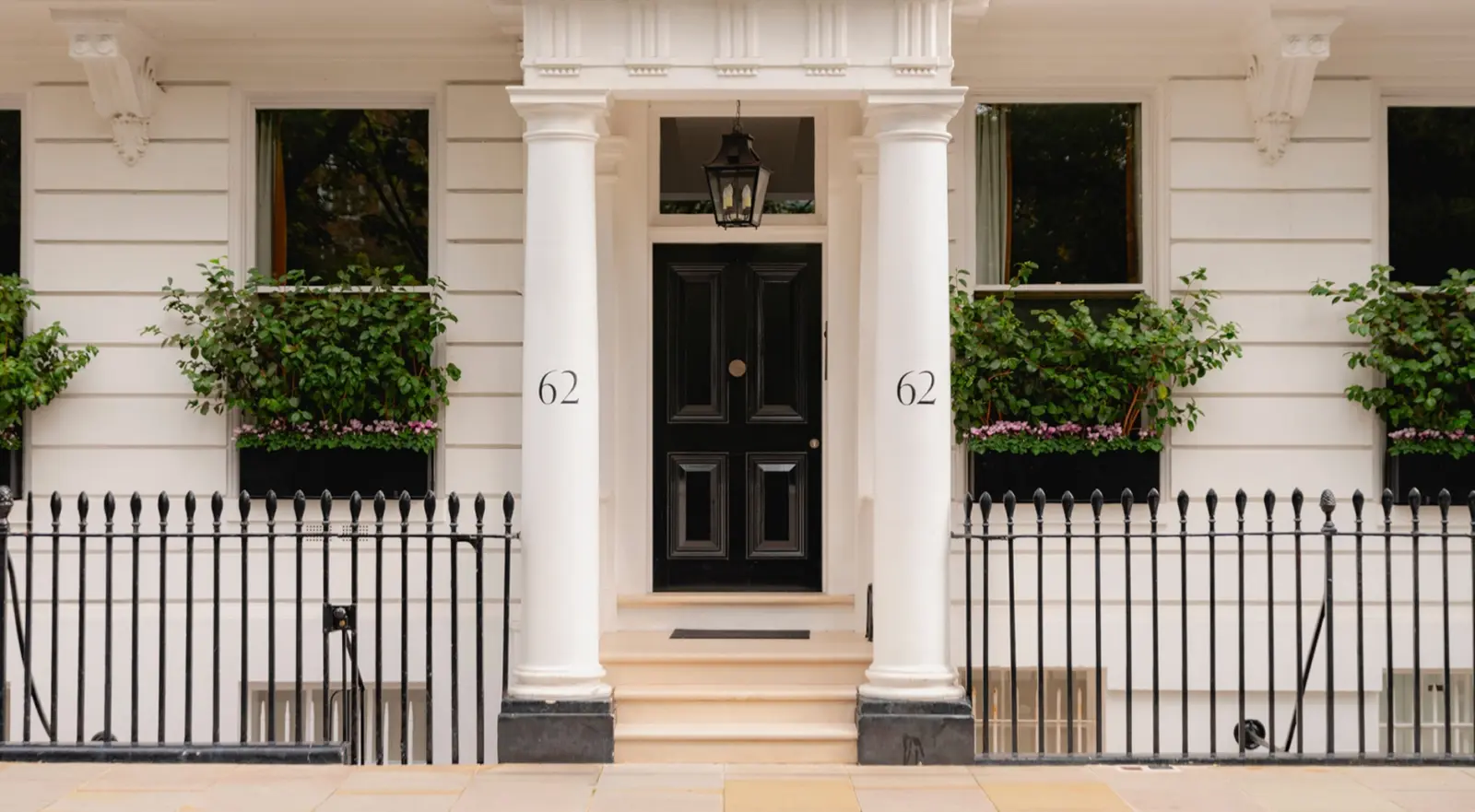
Much of Belgravia’s recognisable form comes from the nineteenth-century development of the Grosvenor Estate. Thomas Cubitt was a central figure in turning land into substantial residential streets, working within an estate framework that gave the area a strong architectural coherence.
Belgrave Square and Eaton Square remain defining elements of that plan. Their scale and the formality of their frontages contrast with the smaller streets and mews nearby. The result is a neighbourhood with a consistent overall identity but a range of residential settings within it.
The buildings have not stood unchanged. Conversions, restoration and changes of use have altered how many are occupied. Some remain houses, while others contain apartments or accommodate diplomatic and institutional uses. A building’s present arrangement is therefore as important as its original façade.
Elizabeth Street offers independent shops, food destinations and places to stop close to the southern part of the neighbourhood. Its character is more intimate than the principal squares and makes it a useful local centre for residents.
Motcomb Street, towards Knightsbridge, provides another concentration of shopping and dining. The surrounding streets make it possible to combine local errands with the broader choice on Sloane Street and in Knightsbridge. Belgravia’s appeal often lies in having those larger destinations available without living directly on a main retail road.
Looking for something in particular? These searches have been curated to help you find your perfect home.